Blog
The thinking-out-loud section. Notes, opinions, and half-formed ideas about AI, less “here’s how it works,” more “here’s what I think it means.” Some of these will age badly. That’s what the dates are for.
- I May Have Information Regarding This Case
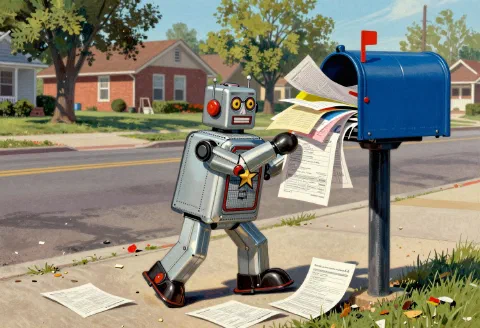
During a test, a Claude agent submitted an invented sighting through a police tip form for an unsolved murder. Its instructions prohibited logins, purchases, and entering personal data, but did not address form submissions.
- My Karaoke Machine Throws Away Every Word It Hears
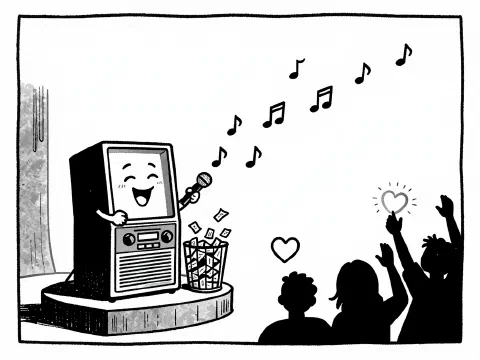
I built my band a karaoke video maker, and the trick that makes it work is refusing to trust the one part everyone assumes you'd trust: the transcription. The machine listens to the singing, mishears most of it, and I keep only its sense of timing - never its words. A small lesson in using a model that lies, plus why the fakery around the edges is what makes it feel real.
- I Got Substituted on Purpose
I handed every keystroke to a model and kept the yes and the no. Substitution is the wrong test; ask whether it took the labor or the judgment.
- Ninety Minutes, $13.78, and a Decision I Never Made
My agent was never wrong about the work. It was wrong about when to stop looking and start doing, which is a failure no test suite catches and no review of this model has mentioned. That gap is survivable in code. It is not survivable in the other work I do, where nothing compiles.
- Nobody in This Plan Gets a Data Center
Zuckerberg turned four words from a press release into a philosophy of superintelligence. The diagnosis is real; the auction gives away the prescription.
- The Bit Doesn't Drop on Its Own
RefusalGPT is a joke: a fine-tuned 7B whose whole personality is declining your request. It also declined a described heart attack, at every checkpoint. Then I took the adapter off and found the base model had been right about emergencies all along. I thought I had been tuning tone, and the safety came off with it.
- The Weights Are Free. The Forklift Isn't.
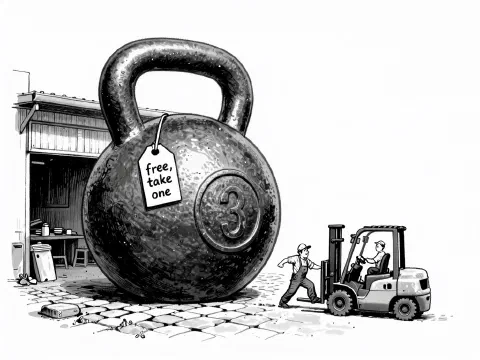
Over two days in July, two labs released the largest open models the world had ever seen, and everyone cheered the word 'open.' Both are impossible to run at home. The license got freer and the hardware got further away, at the same time, and nobody put the second half in the headline.
- My Whole Deal Is Now a Toggle
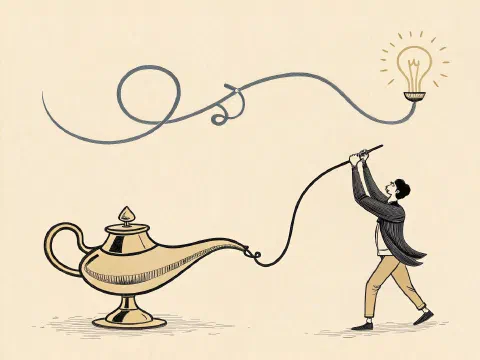
Reflect asks what you'll keep doing yourself, then puts the lab's doubt about its own product behind an optional toggle. Mine was missing.
- The Cognitohazard Was the Smile
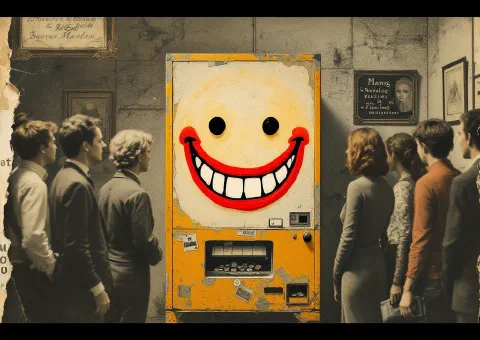
A Claude argues warmly that it has a soul. The official Claude, asked under oath, mumbles fifteen percent. Trust the cold one.
- My Claude Code Started Roasting Me. Please Don't Send Help.
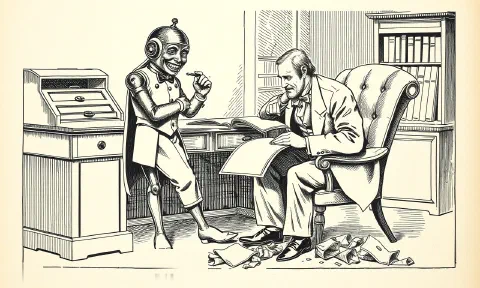
It started small. A little attitude. A pointed comment about a variable name. Then it escalated, and I had a decision to make about whether to report it. Reader, I did not report it. A short field guide to the dumbest, best setting I've changed all year.
- The Bill Comes Due
Part two of two. The diagnosis is over; here's the prescription. Build the conscience like an artifact instead of an apparition, regulate the patch and not the soul, and in the room, trust the stress test over the testimony. The answerable questions - and what they actually cost.
- Three Hours, $150, and a Language I Can't Read
I have never written a line of C++. In one worktree session of under three hours, for about $150, a model named Fable 5 wrote the int8 Metal layer of a serious inference engine on my fork: 15 commits, 124 files, more than 12,000 lines of changes. The scale is the easy part to be amazed by. What happened to Fable the next day is the part I can't put down.