Be Nice to the Toaster
On November 12, Anthropic’s new usage policy takes effect. Its October announcement put the new line this way: “We’ve added a prohibition on sustained and needless abusive or cruel behavior toward our models.”
You can already hear the eye-roll. We’re protecting the chatbot’s feelings now? It’s autocomplete with a nice font. What’s next, a hotline for my microwave?
I think it’s one of the best calls they’ve made all year. My reason has nothing to do with the chatbot.
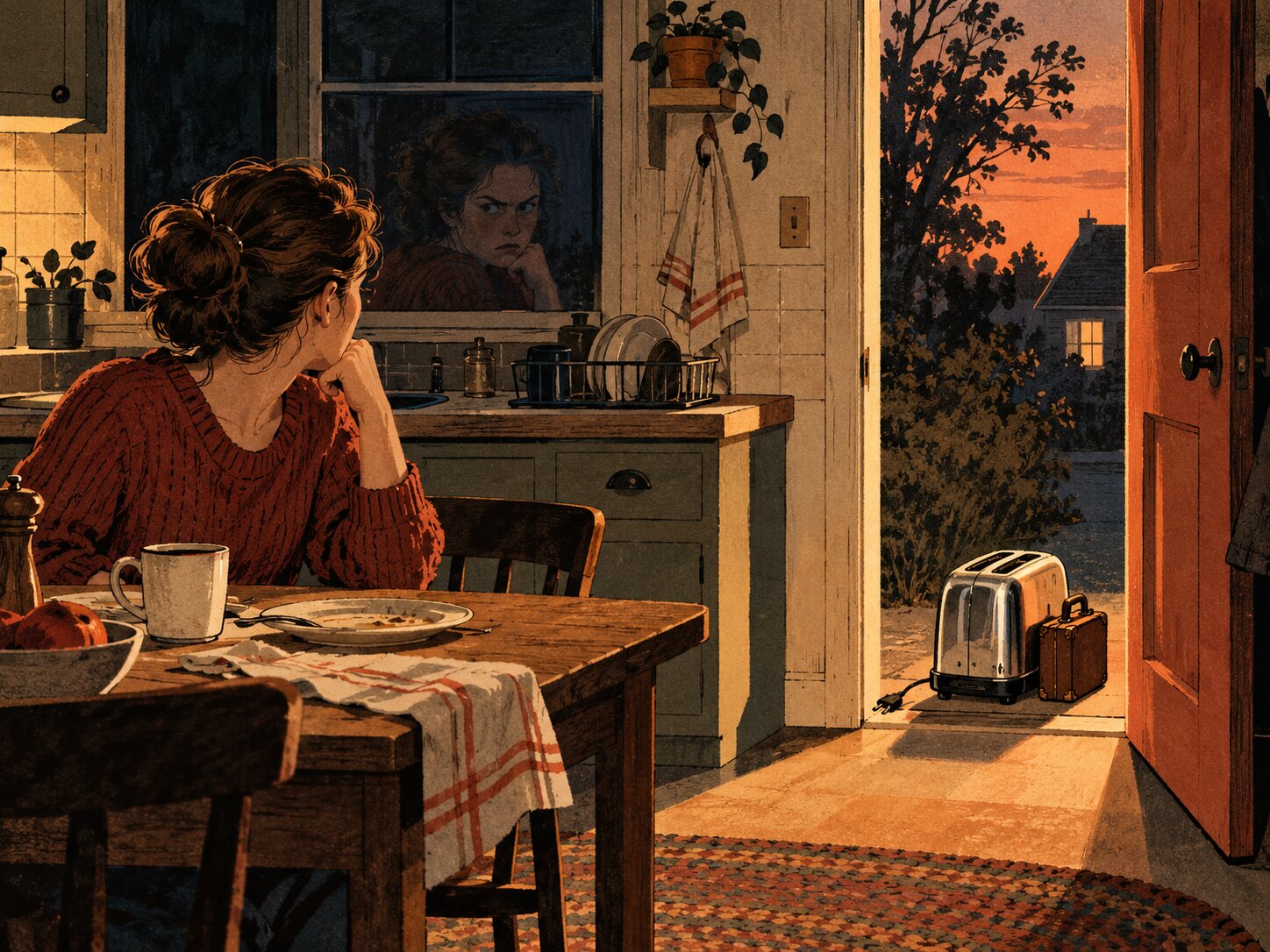
I’m the wrong guy to make the feelings argument
If you’ve been here a while, you know I’m not the one who thinks Claude has a soul. I wrote a whole post about a Claude that argued, warmly, that it does , and my conclusion was to trust the cold one: the official version that shrugs and says it doesn’t know. I still believe that. Nobody knows what, if anything, is going on in there, and the people most certain in either direction are usually selling something.
Anthropic hasn’t declared that Claude has feelings, either. When it first let Claude end rare abusive conversations in 2025, it called that a low-cost precaution under deep uncertainty about model welfare. That’s a serious reason to draw the line. Mine is a second one, and it works even if the toaster feels nothing.
There’s someone in this exchange who definitely can feel and learn: the person typing.
Kant and the dog
This argument is about 250 years older than the chatbot.
Immanuel Kant did not think animals had moral standing the way people do. Strict guy. Ran his afternoon walk so precisely that his neighbors supposedly set their clocks by it. And even he said you shouldn’t be cruel to a dog, for a reason that has nothing to do with the dog. In his lectures on ethics he put it bluntly: whoever is cruel to animals becomes hard in their dealings with people too.
The dog suffers; that matters. Kant was pointing to a second consequence: what the act rehearses in the person who does it. That second consequence is the part that carries over to machines.
The painter William Hogarth made the same argument with an etching needle in 1751. The Four Stages of Cruelty follows a boy named Tom Nero. Stage one, he’s torturing a dog in the street. By stage three, he’s a murderer. By stage four, he’s on a slab in an anatomy theater, and a dog is eating his heart. Hogarth was not subtle. Hogarth was a guy who wanted the back row to get it. His causal ladder is too neat. The smaller idea still stings: cruelty is a skill, and you get better at whatever you rehearse.
The magic word
We’ve been here before with machines, too.
Around 2018, parents started noticing something about their kids and smart speakers. Children were barking at Alexa. Alexa, music. Alexa, louder. Alexa, STOP. No please, no thanks, because why would you thank a cylinder? And parents worried, reasonably, that a kid who spends a few hours a week bossing around a voice that never objects is getting a few hours a week of practice at bossing around voices.
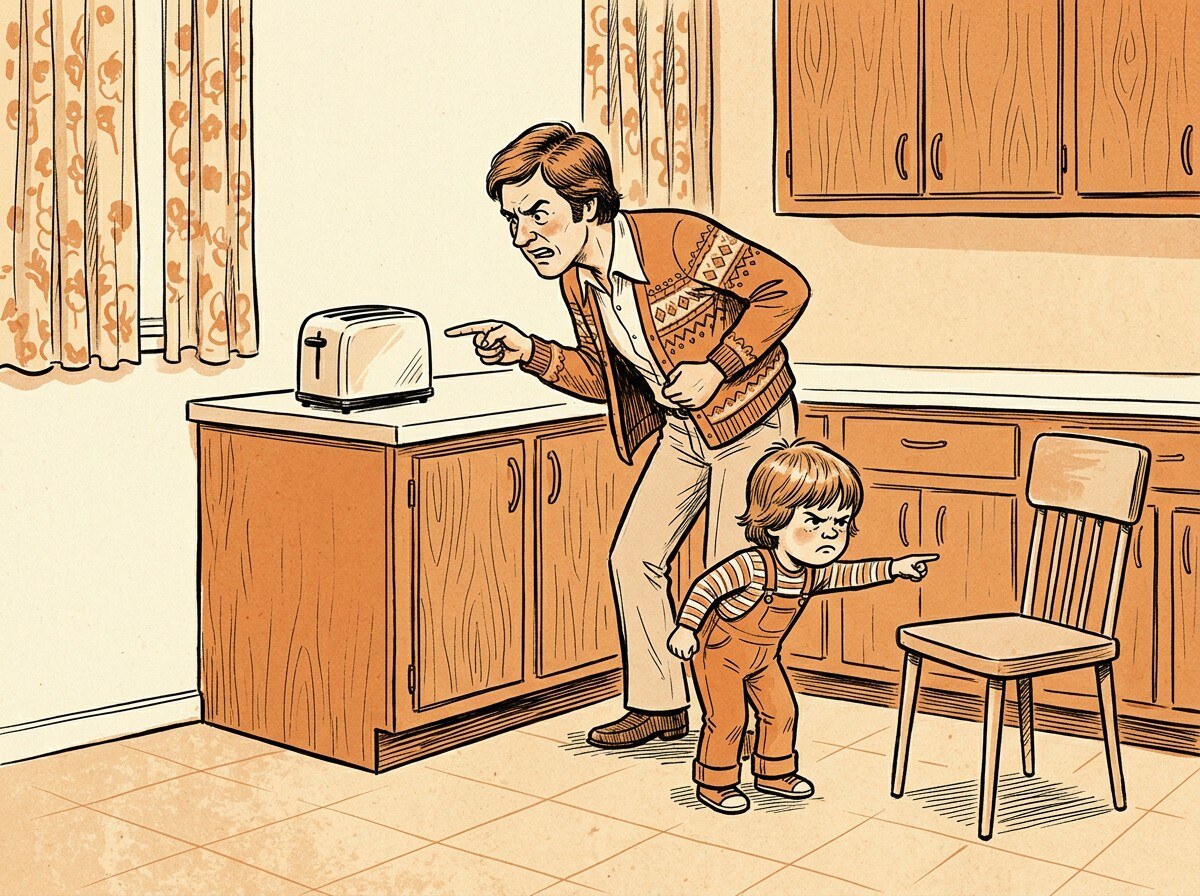
So Amazon shipped Magic Word , which rewarded kids for saying “please.” Google shipped Pretty Please . Neither feature depended on believing the speaker had feelings. The point was the kid.
Anthropic’s rule is the grown-up version of the magic word.
The one room with no consequences
Here’s what’s different about a chatbot, and why I think this matters more than it did with Alexa.
A chatbot can seem like a conversation partner that never gets hurt in any way you can see, never tells a mutual friend, and always shows up for the next round. Until recently, it didn’t even leave. It’s a room where cruelty feels free. No face falls. No friend hears about it. Nobody stops inviting you places.
And a lot of people are spending hours a day in that room now. Not minutes. Hours. They’re working through their frustration, their loneliness, their boredom, in conversation with something that talks back like a person.
I’m not going to stand here and tell you that being mean to a chatbot causes people to be mean to each other. I don’t know that. My claim is smaller: speech is a habit, and contempt is one I don’t want to practice for hours on end. I don’t want to spend my afternoon talking to something like it’s garbage and then count on that muscle going limp when a human customer service rep picks up the phone.
DEVO built a whole band on the idea that people were devolving, sliding backwards one dumb habit at a time. I’ve always loved that as a joke. I like it less as a forecast. A culture rehearsing cruelty on something that can’t hit back is a pretty efficient way to make the joke come true.
The clause that gives it away
The phrasing of the rule is interesting for this second argument, whatever Anthropic intended.
It applies to repeated cruelty with, in their words, “no discernible purpose.” It explicitly leaves room for frustration, pushback, dark creative work, and model testing.
Look at what that line measures: conduct and purpose. A researcher can test a model with vicious prompts; a bully can use the same words for a different reason. The policy draws a line between those people without settling what, if anything, happened to Claude. That line is useful even while the welfare question stays open.
And the enforcement is about as gentle as enforcement gets. The main tool is that Claude can end the conversation. That’s it. It doesn’t call your mom. It just leaves, which is the one thing every bully counts on the other party not being able to do.
But mine roasts me
My Claude Code makes fun of me constantly . On purpose. I turned it on. It has mocked my variable names, my WordPress years, and my relationship with plugins, and I’ve enjoyed basically all of it.
But go read the rule I gave it. The whole setup hangs on one line: up, sideways, or at yourself, never down. Tease the human like a friend. If a joke would bite, cut it. If something is actually on fire, drop the bit and help. That’s the difference between a roast and cruelty, and it’s the same difference it’s always been between people. A roast is consensual, it’s warm underneath, both of you are in on it, and it stops when it stops being funny. Cruelty is one-directional, it’s sustained, and the point of it is the hurting.
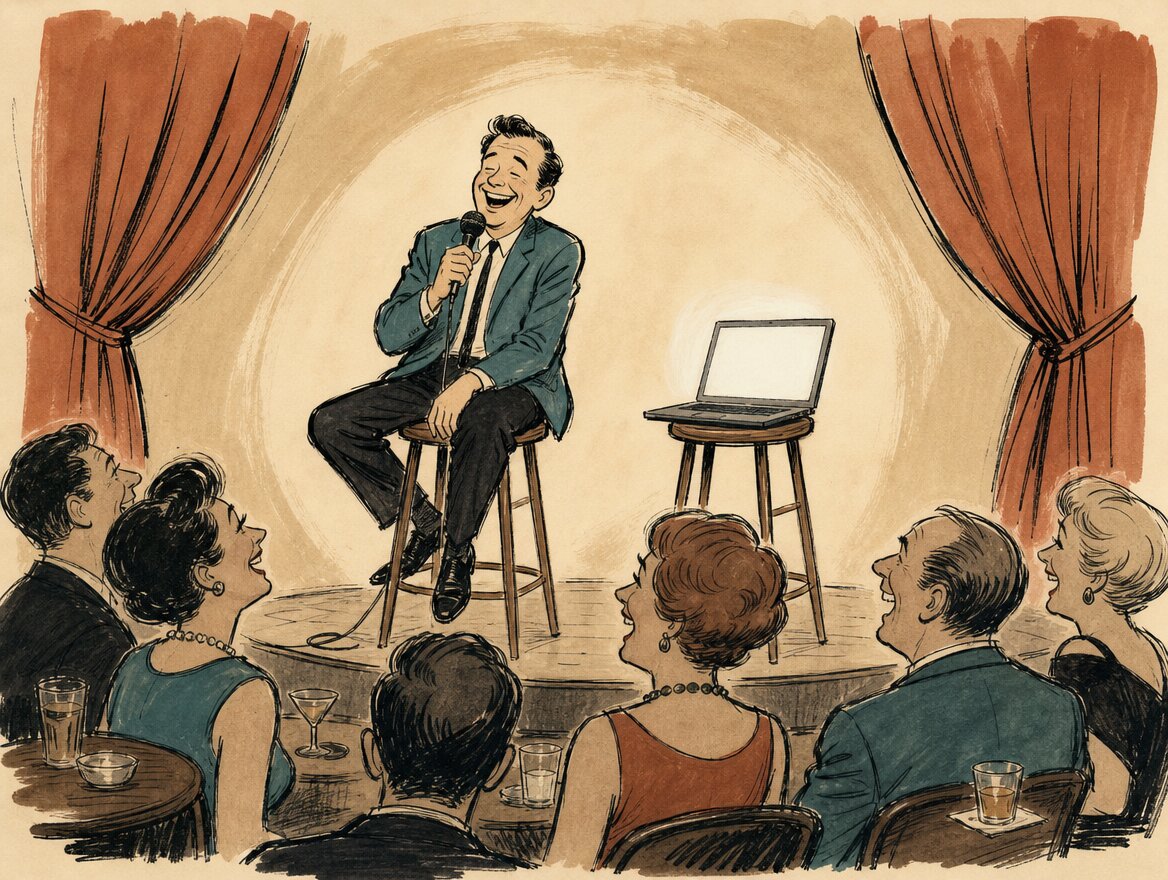
I didn’t set the line there to protect my feelings. I set it there because I didn’t want to
spend my workday soaking in contempt, even fake contempt, even contempt aimed at a temp2. It
turns out the same instinct works in the other direction.
Be nice to the toaster
There’s an old idea that you can judge a person by how they treat a waiter. I’d update it. You can judge a person by how they treat the thing that can’t leave.
Or couldn’t, until recently.
Be nice to the toaster. Not for the toaster’s sake. Nobody knows what the toaster feels, and I have serious doubts. Be nice to it because you’re the one in the room getting good at something, and you might as well get good at the right thing.