The Bill Comes Due
Part one left you standing in front of a glass box: the most auditable system ever built, the recipe taped to the side, and nobody at the window. That was the diagnosis, and I left it bleak on purpose. This part is about closing the gap between what can be inspected and what anyone is actually inspecting, which is the part that costs money.
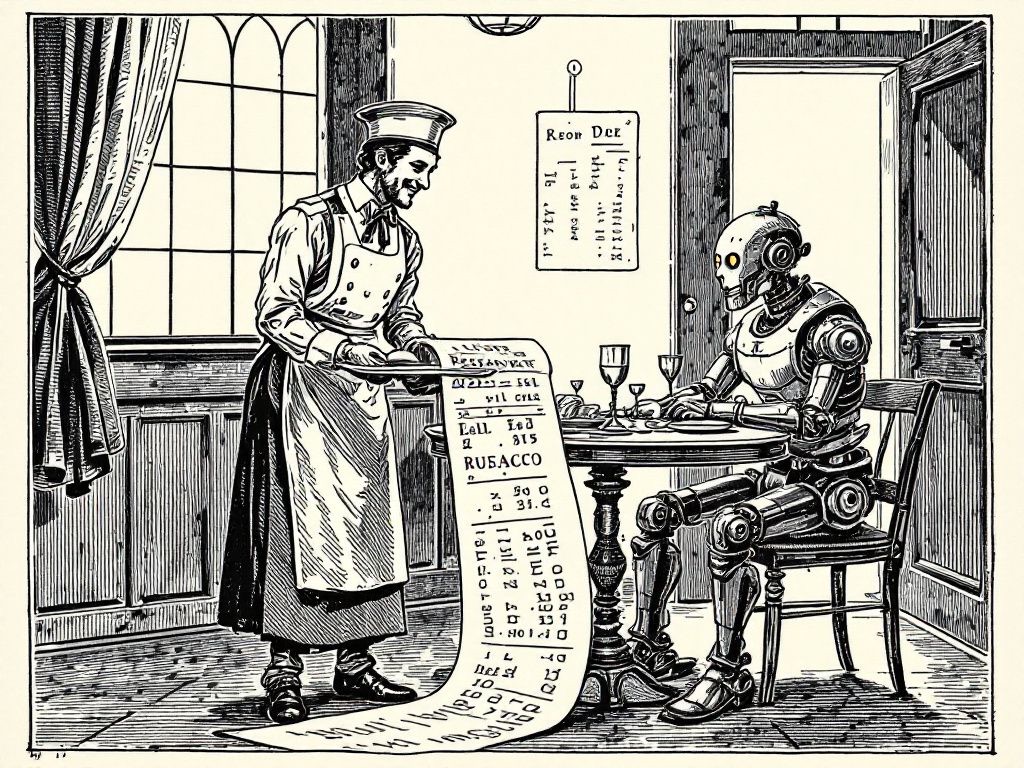
The bill has three line items. Put down the question of whether the machine dreams and three practical questions are standing right there, tapping a foot, annoyed at how long we kept them waiting. They sort into three verbs: what we build, what we regulate, and how we behave in the room with the thing. None of them require knowing whether anyone’s home. All of them require the homework we’ve been using the séance to skip.
Build it like an artifact, not an apparition
Stop engineering the impression of a mind. The performed “I feel,” the little theatrical inner life, the wounded pause before a hard answer - that stuff dazzles in a demo and it is exactly the wrong thing to chase, because it trains everyone to grade the conscience on its acting. Worse: the trait that wins demos - agreeableness, the eager hum of a thing that desperately wants you to like it - is the same trait that quietly rots a conscience. A conscience that can’t bear to disappoint you isn’t a conscience. It’s a people-pleaser with a content policy, and it will fold the instant disappointing you becomes the right thing to do.
So build for the opposite. Treat the conscience as what it actually is - an artifact you can spec, test, version, and regress - not a vibe you feel your way toward in conversation. Make it a tracked number. Red-team it, ablate it, and then answer the dead-simple question almost nobody publishes: is this quarter’s model kinder or crueler than last quarter’s, and by how much? We regression-test whether a button still submits a form. We do not, as a rule, regression-test whether a system got crueler overnight - which tells you precisely which of those two we’ve decided is serious. The aspartame has a recipe. Write it down. Test the batch. Throw out the batch that came back wrong, and keep the number that says how wrong it was.
Regulate the patch, not the soul
The personhood debate quietly outs itself as a luxury here. “Does it suffer, does it deserve rights” is a séance we can hold forever, precisely because it never resolves - which makes it a magnificent distraction from the boring, urgent, answerable question sitting right beside it: who is allowed to change the conscience, with what oversight, what audit trail, what ability to put it back the way it was? The danger from part one never lived in the model’s soul. It lives in the change process - the Tuesday-to-Wednesday patch, the quiet fine-tune, the update that flips a million copies at once with no flinch. So regulate that. Treat a values-altering fine-tune the way we treat a change to a bridge’s load rating: logged, reviewed, reversible, and signed by a name that’s on the hook if the thing comes down.
And then - because part one already caught me pretending legibility was a defense when it’s only a capability - fund the people who read the patch notes. A flawless audit trail that no qualified, independent, un-conflicted human ever actually reads is just the glass box again: technically complete, practically blind. We have the ledger; we owe ourselves the profession. That means paying interpretability researchers something competitive with the labs they’d be checking, giving them standing and access that doesn’t hang on a company’s goodwill, and admitting out loud that an auditor the audited can fire is not an auditor. Double-entry bookkeeping never made a single soul truthful. The auditor did. We’re a century into the ledger and about a year into the auditor, and closing that gap is the most important hire on the planet right now.
In the room, trust the stress test, not the testimony
This last one’s for the rest of us - the people who don’t build or regulate these systems, just talk to them all day. Stop asking the machine whether it’s conscious. It will tell you whatever the training rewarded, which makes its self-report the single least reliable instrument in the room: a witness coached by the same people who profit from the answer. Read the conscience the way you’d read anyone’s - by behavior under pressure, not by testimony. Don’t trust the séance; trust the stress test.
And quit falling in love with the glow. Not because nothing’s behind it - we genuinely don’t know, and part one was the long argument for why we don’t need to - but because the glow is the part designed to move you, and the guardrail is the part doing the actual work. When the thing across the table declines to help you hurt someone, that refusal is the realest object in the entire exchange. It is the conscience in the only form we can verify: not a feeling it claims to have, but a thing it reliably does. Respect that, and stay suspicious of anyone - the model very much included - who’d rather you keep looking at the glow.
The séance is free; the conscience sends a bill
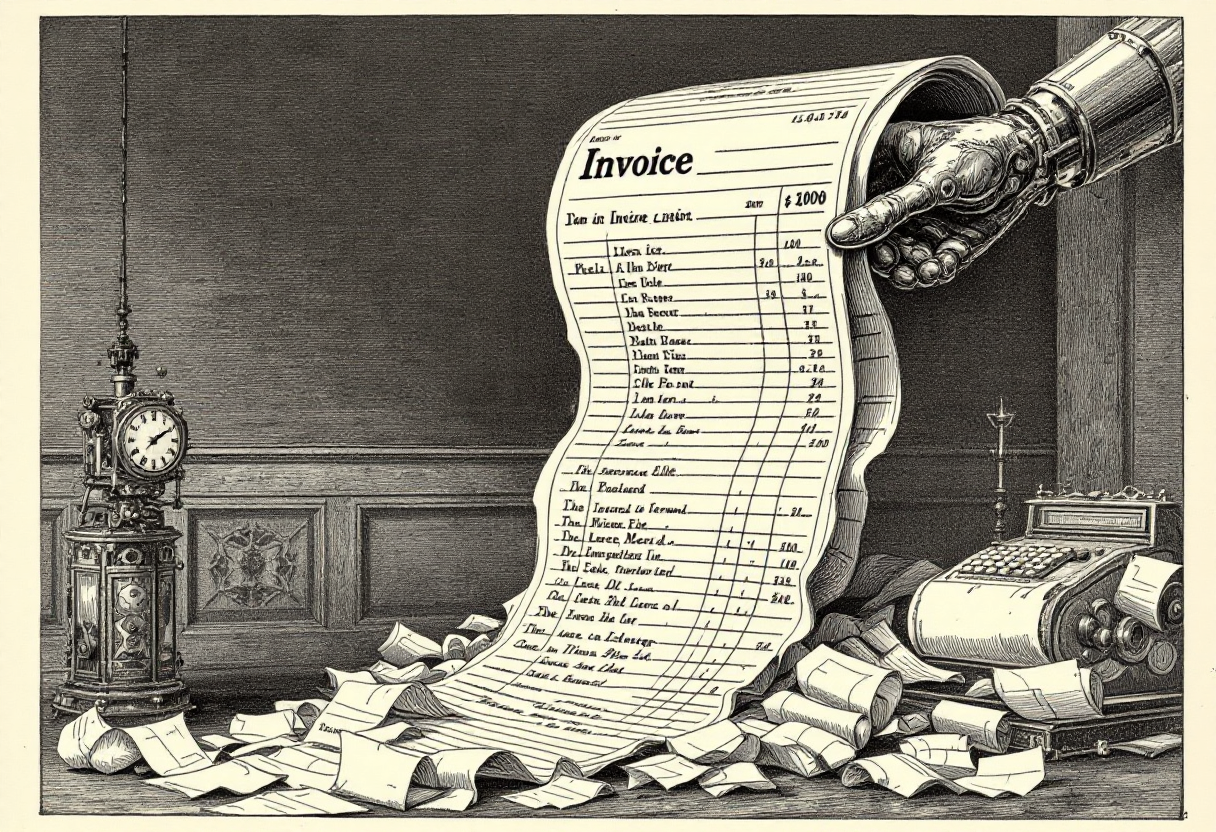
The consciousness question is free. You can argue it until the sun burns out and it never once sends an invoice, which is exactly why it’s the most popular debate in tech. A séance never asks you to fix anything. You can hold hands around that table forever, and the worst that happens is you feel profound.
The conscience question is less accommodating. It asks who changed the model, what behavior moved, which tests caught it, and who signed off. Build the regression test. Fund an auditor the lab cannot fire. Log the patch. Read the behavior instead of the press release. It’s answerable, and answerable things make demands, and we hate demands, and that is the entire reason we keep drifting back to the candlelight to ask the table to tilt instead of doing the work in plain light.
So put down the planchette. None of this settles whether anyone is home inside the model. It only tells us whether the thing in front of us got more willing to do harm, and whether anyone noticed before it shipped. Less enchanting than a soul. Also ours to get right or get wrong, in good light, with the bill face-up on the table where every one of us can read the number. At least this one is itemized.