Fine-tuning
Taking a model that already knows a lot and training it a little more on your own examples, so it picks up a skill, a style, or a voice without starting from scratch.
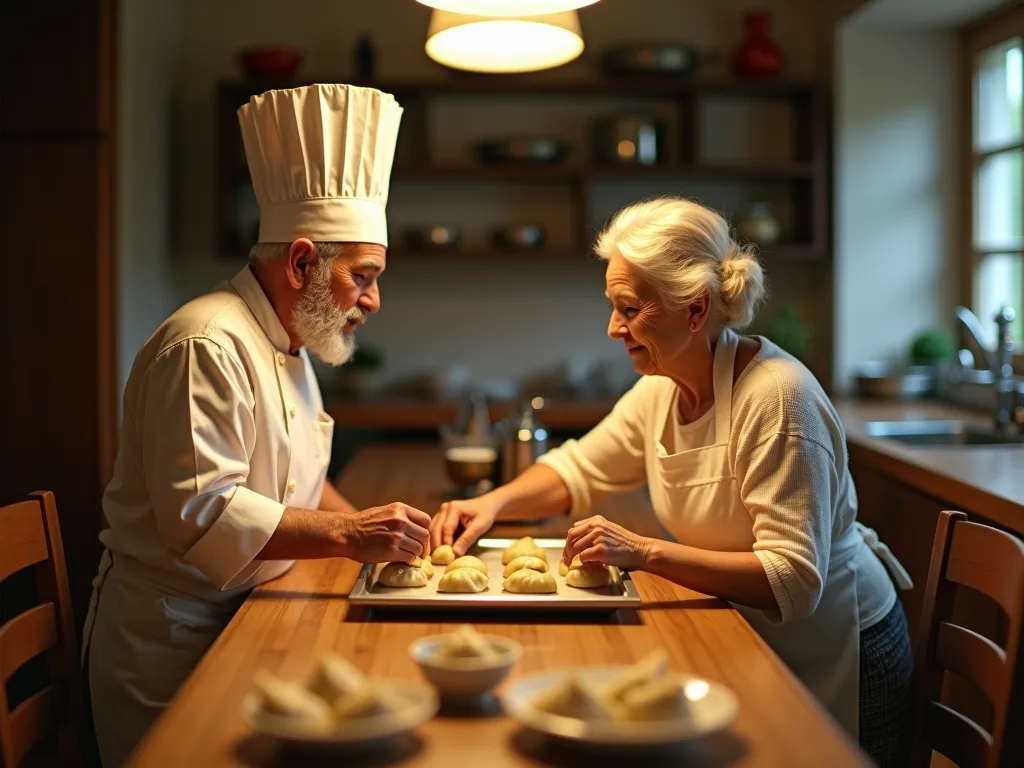
Fine-tuning is extra training on top of a model that’s already been trained. The expensive part, pre-training on a mountain of general text, is done once by whoever built the model. Fine-tuning takes that result (a checkpoint ) and keeps training it on a much smaller, focused set of examples: customer-support chats, legal documents, a particular writing voice, a programming language.
Because the model already understands language, a few thousand good examples can change its behavior a lot. That’s also the danger: train too long on too little and it overfits , memorizing your examples instead of learning from them, and sometimes forgetting what it knew before.
Full fine-tuning adjusts every one of the model’s parameters , which needs serious hardware. Most hobbyists use LoRA instead, which trains a small add-on and leaves the original alone. The chatbots you use were fine-tuned too, first on example conversations and then with RLHF , which is what turns a raw text-predictor into an assistant.