Prompt
Whatever you type to a model. It’s the model’s whole view of the situation: it can’t see your intentions, only the words, so the words do all the work.
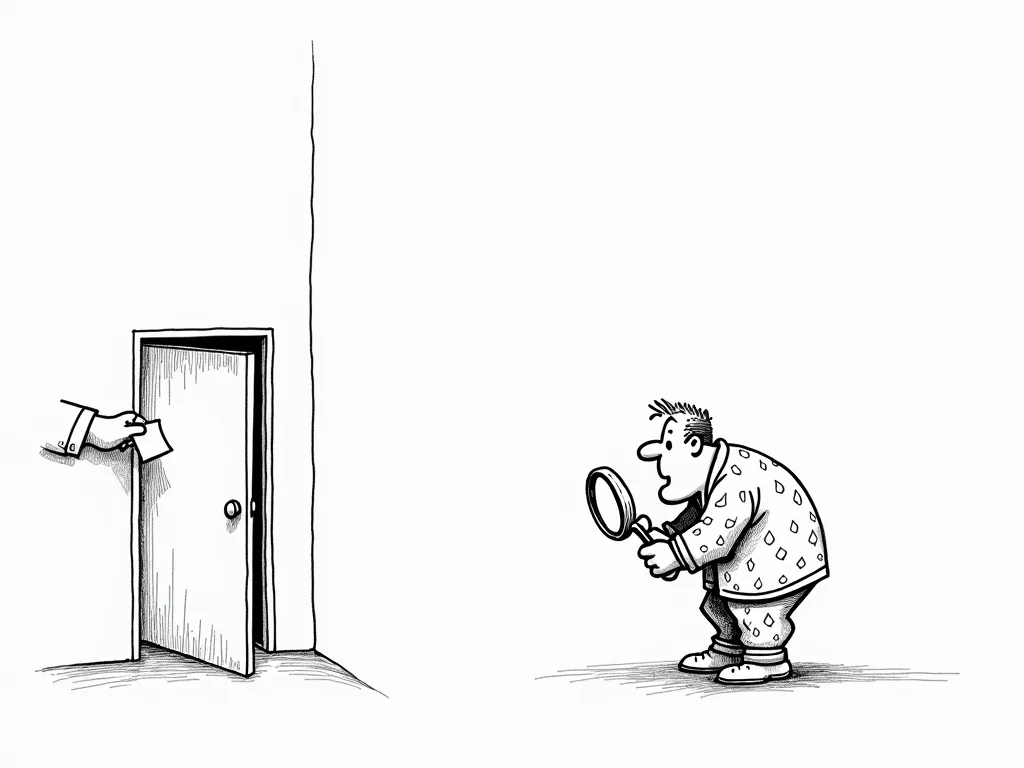
A prompt is the input you give a model: a question, an instruction, a document to summarize, an image to describe. For an LLM , the prompt is simply the start of the text it will continue, so its answer is shaped by everything in it: the wording, the examples, the tone, even the typos.
That’s why “prompt engineering” became a phrase. Asking for “a summary” and asking for “three bullet points a busy manager could read in ten seconds” get very different results from the same model. It’s less a dark art than ordinary clear writing, aimed at a reader with no context at all.
In a chat app, what you type is only part of the real prompt. Behind it sit the system prompt , the whole conversation so far, and sometimes retrieved documents (RAG ), all packed into the context window together.