I Taught Claude to Write Guitar Tabs for My Band
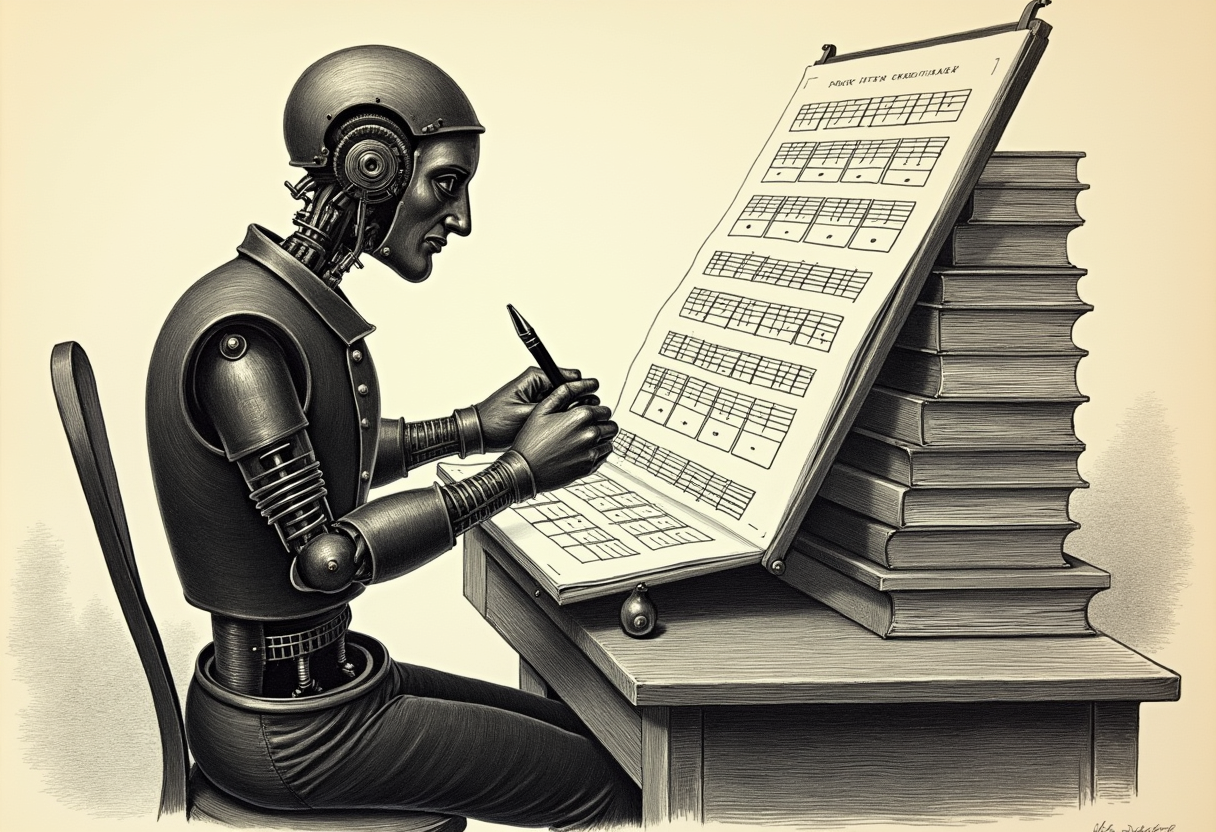
My band, OWNER/OPERATORS , has a recurring problem that is not music: paperwork. Somebody writes a song, and then somebody - historically me - has to turn it into charts everyone can actually play from. A lead sheet and chord chart for me. A bass reference that doesn’t assume the bassist can read my mind. A drum chart so the drummer isn’t guessing where the changes land. Do this by hand for one song and it’s a pleasant afternoon. Do it for every song, forever, and you discover that you’ve accidentally taken a second unpaid job as your own band’s office manager.
So I built skill-guitar - a Claude Code skill that does the paperwork, the same way, every time. Here’s what it makes, why I built it as a skill instead of a folder of templates, and what that distinction actually buys you.
What it produces
Feed it a song and it hands back a consistent set of markdown files - what we call the “echoes-and-static” format, because every band needs a house style and that’s ours:
lead.md- the song’s skeleton. Sections, chord rows over the lyrics, the thing you put on a music stand.chords.md- the guitar chart, with voicings grouped by chord family and an auto-generated ASCII fretboard diagram for each one, so nobody’s guessing which of the six ways to play a G I meant.chords-bass.md- the same song from the bass’s point of view, tab positions per chord.drums.md- tempo, section breakdown, bar ranges, for when the click track needs a map.keys.md(optional) - the keyboard part: voicings and what the piano or synth is doing section by section, for the songs that put hands on keys.cello.ly(optional, and the newest) - a simple cello line, and this is the one that surprised me: it comes out as real engraved staff notation through LilyPond, not tab and not markdown - the first chart in the set that looks like the sheet music a string player actually expects to be handed.
That list started at guitar and bass. Keys came when the songs started putting hands on a piano, and the cello part is recent enough that it still makes me laugh a little - the same skill that draws ASCII fretboard dots now engraves a real staff. The house style grew, and the skill grew with it, instead of anyone hand-ruling a cello line at midnight.
The point isn’t any single file. It’s that all of them describe the same song the same way, so the band isn’t reconciling four documents that quietly disagree.
Why a skill, not a pile of templates
This is the part worth slowing down on, because it’s the whole reason the thing works.
A template is a shape. It’s an empty form, and a form still needs someone who knows how to fill it out correctly - someone who remembers to count the bars, group the chords by family, compute the right voicings, and name the files the same way they did last time. The template holds the layout. You still hold the expertise, in your head, where it slowly drifts.
A skill holds both. SKILL.md encodes the actual workflow - the steps, in order: count the
bars, group the chords, compute the voicings, write the files - so the procedure doesn’t live
in my memory anymore, it lives in the repo. That’s the difference between handing someone a
blank invoice and handing them a bookkeeper. The template makes the next chart possible; the
skill makes every chart after it identical, without my having to re-decide the format each
time I’m tired and it’s late.
The theory layer (where the real knowledge hides)
A chord chart is downstream of music theory, and theory is exactly the kind of thing that’s
easy to get almost right. So the skill keeps its sources of truth as plain files:
references/tuning.md and references/voicings.md - that define how a named chord becomes an
actual set of fretted positions. The chart generator doesn’t improvise that; it looks it up.
This is the “orchestration, not typing” idea in miniature. I’m not the guy hand-drawing fretboard dots. I’m the guy who decided what a correct dot is, wrote it down once, and now points the machine at it. The direction is mine. The repetition is the skill’s.
The tooling
Under the hood it’s unglamorous and proud of it:
scripts/gen_chord_diagrams.pyauto-fills the ASCII fretboard diagrams, so a diagram is computed from the voicing, never typed by a human at midnight who might fat-finger a fret.- A chart-generation-plus-verification pass, with the format specs pinned down in
formats/, so “is this chart valid?” has an actual answer instead of a vibe.
Using it day-to-day
In practice the loop is: song idea in, full chart set out, one pass. And because it’s a Claude Code skill and not some fragile bespoke app, it runs the same on my Mac as it does on the Pi 5 humming away in the corner - same skill, same output, whichever machine I happen to be sitting near.
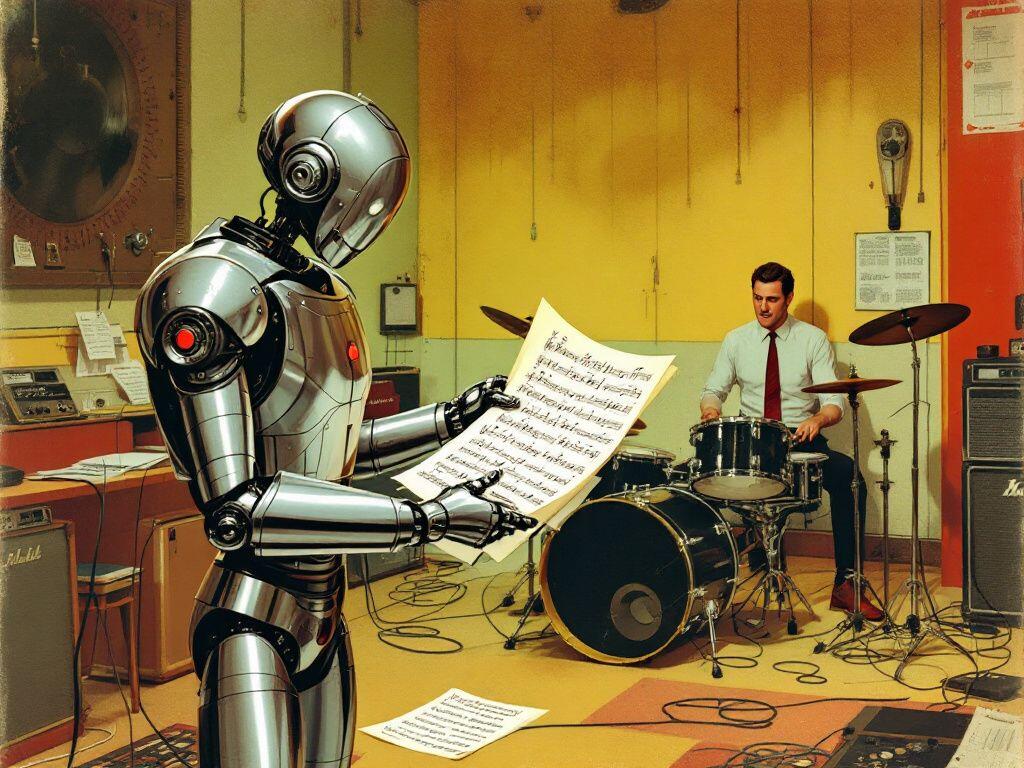
The pitch is small and I like it that way: I didn’t automate songwriting. Songwriting is the work, and the work is the point - that’s the part I’d never hand off. What I automated was the clerical residue of songwriting, the formatting tax that stood between writing a song and the band being able to play it. The skill took the second job back off my desk and left me the only one I wanted: being in a band.